



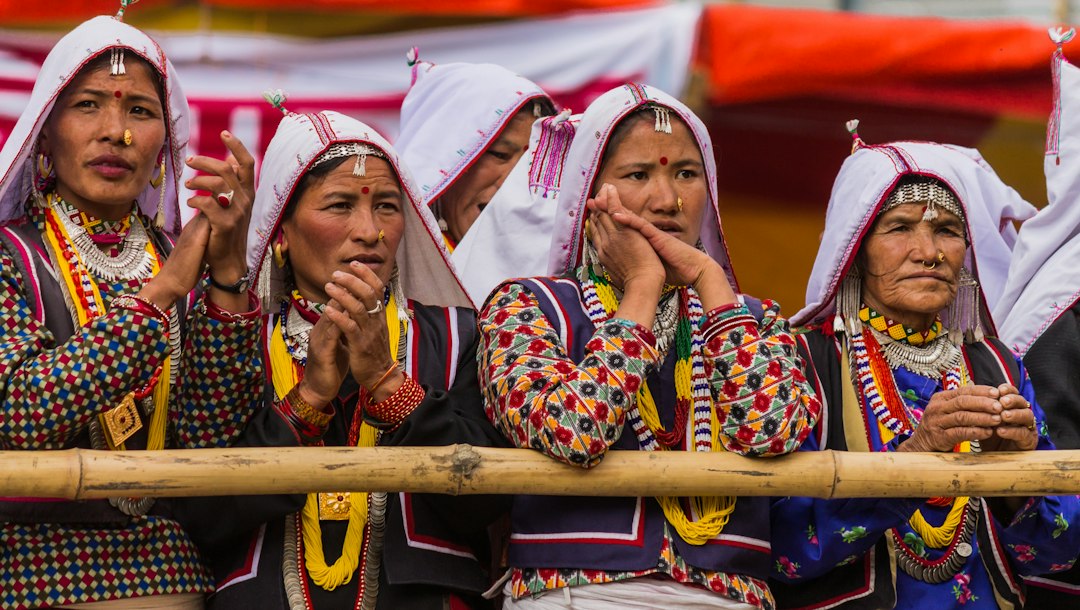
Unlocking the Power of Culture: How Understanding, Celebrating, and Leveraging Cultural Diversity Fuels Personal Growth and Business Success

—
Introduction – Why Culture Matters More Than Ever
Imagine walking into a coffee shop where every cup tells a story—one sip transports you to the bustling streets of Tokyo, the next whisks you to a sun‑kissed Moroccan market. That’s the magic of culture: it’s the invisible thread that weaves together traditions, values, language, art, and everyday habits, shaping who we are and how we interact with the world. In today’s hyper‑connected age, cultural awareness isn’t just a “nice‑to‑have” skill; it’s a competitive advantage. Whether you’re a traveler, a manager leading a global team, or a creator crafting content for a worldwide audience, a deep appreciation of cultural nuances can unlock new opportunities, spark innovation, and foster genuine connections.
In this post we’ll dive into:
1. The Foundations of Cultural Identity – what makes culture tick and why it matters.
2. Building Cultural Awareness – practical steps to expand your cultural IQ.
3. Leveraging Cultural Diversity in the Workplace – turning differences into a powerhouse of creativity.
4. Preserving Cultural Heritage in a Digital World – tools and strategies for safeguarding traditions.
5. Cultivating a Global Mindset – habits that keep you adaptable and inclusive.
Let’s explore how you can turn cultural curiosity into actionable growth—both personally and professionally.
—
1. The Foundations of Cultural Identity: What Is Culture, Really?
Defining Culture in Simple Terms
At its core, culture is the shared set of beliefs, customs, language, rituals, and symbols that give a community its unique flavor. Anthropologists often break it down into three layers:
| Layer | Description | Example |
|——-|————-|———|
| Visible | Tangible expressions—clothing, food, music, architecture. | Sushi in Japan, flamenco in Spain. |
| Normative | Unwritten rules and values that guide behavior. | Respect for elders in many Asian societies. |
| Deep‑Rooted | Core worldviews, myths, and collective memories. | The concept of “Ubuntu” (I am because we are) in Southern Africa. |
Understanding these layers helps you see why a simple gesture—like a handshake—can carry different meanings across borders.
Why Cultural Identity Shapes Decision‑Making
Research shows that cultural background influences everything from risk tolerance to communication style. For instance:
- Individualistic cultures (e.g., United States, United Kingdom) often prioritize personal achievement and direct communication.
- Collectivist cultures (e.g., China, Kenya) emphasize group harmony and indirect cues.
- Read globally – Subscribe to international newspapers (e.g., The Guardian, Al Jazeera, Le Monde) to get diverse perspectives on current events.
- Watch foreign cinema – Platforms like Netflix and MUBI curate films from every continent; pay attention to storytelling styles, humor, and visual symbolism.
- Listen to world music podcasts – From Afro‑beat to K‑pop, music reveals rhythm, language, and emotional expression.
- Take an online cultural competency course – Coursera, edX, and LinkedIn Learning offer modules on cross‑cultural communication, intercultural leadership, and global ethics.
- Learn a new language – Even a basic grasp of greetings and polite phrases signals respect and opens doors to deeper conversations.
- Language: Are there translation needs? Does terminology change meaning?
- Symbols: Are any logos or colors potentially offensive?
- Time perception: Is punctuality critical, or is a fluid schedule accepted?
- Decision process: Is hierarchy valued, or is consensus preferred?
- What cultural pain points does it address?
- How can design elements reflect local aesthetics without stereotyping?
- Can you involve local users in co‑creation workshops?
- StoryCorps & Global Voices – Record and upload personal narratives in native languages.
- Google Arts & Culture – Partner with museums to create 3D tours of historic sites.
- Blockchain for Provenance – Use NFTs to certify authentic cultural artifacts, protecting against appropriation.
- Seek informed consent before publishing cultural material.
- Respect sacred knowledge—some practices are meant for internal community use only.
- Share benefits—if a project generates revenue, allocate a portion back to the community.
- Culture is multi‑layered—visible customs, normative values, and deep‑rooted worldviews—all influencing behavior and decision‑making.
- Cultural awareness is a skill you can build through media immersion, structured learning, and intentional “shadowing” experiences.
- Workplaces thrive when cultural diversity is leveraged with inclusive communication, celebration of milestones, and co‑creation that respects local insights.
- Digital tools safeguard cultural heritage, but ethical stewardship and community involvement remain essential.
- A global mindset is cultivated daily—stay curious, engage in micro‑learning, network internationally, and reflect on each interaction.
When you recognize these patterns, you can anticipate how people might respond to proposals, feedback, or conflict resolution, making interactions smoother and more respectful.
Actionable Insight: Conduct a Personal Culture Audit
1. List your cultural touchstones – family traditions, holidays, languages spoken, favorite foods.
2. Identify the values they reflect – independence, respect, hospitality.
3. Reflect on how these values influence your decisions – Are you more risk‑averse? Do you prefer consensus?
4. Write a “cultural profile” you can reference when navigating new environments.
A clear self‑portrait of your own cultural identity is the first step toward genuine cultural empathy.
—
2. Building Cultural Awareness: Practical Steps to Expand Your Cultural IQ
2.1. Immerse Through Media
2.2. Engage in Structured Learning
2.3. Practice “Cultural Shadowing”
Find a colleague or friend from a different background and schedule a 30‑minute “shadow” session:
1. Ask about a typical day in their cultural context.
2. Observe communication cues—tone, pauses, body language.
3. Take notes on what feels familiar vs. unfamiliar.
4. Reflect on how you might adapt your own approach in similar situations.
2.4. Use the “Cultural Lens” Checklist
When planning a project, ask:
Running this quick checklist reduces cultural missteps and demonstrates thoughtful preparation.
—
3. Leveraging Cultural Diversity in the Workplace: Turning Differences into Innovation
3.1. The Business Case for Diversity
Companies with high cultural diversity outperform peers on revenue growth and innovation metrics. A McKinsey report (2023) found that culturally diverse teams are 35% more likely to outperform financially and 1.7× more likely to generate breakthrough ideas.
3.2. Creating an Inclusive Collaboration Framework
1. Establish clear communication norms – Use visual agendas, written summaries, and multilingual resources.
2. Rotate meeting facilitation – Let team members from different regions lead discussions; this balances power dynamics.
3. Celebrate cultural milestones – Recognize holidays like Diwali, Ramadan, or Lunar New Year in internal newsletters and virtual events.
3.3. Harnessing “Cultural Fusion” for Product Development
When designing a new product, ask:
Example: A global sneaker brand partnered with artisans in Peru to incorporate traditional weaving patterns, resulting in a limited‑edition line that sold out within weeks and generated positive PR across multiple markets.
3.4. Action Plan for Managers
| Step | Action | Timeline |
|——|——–|———-|
| Audit | Map cultural composition of your team (countries, languages, work styles). | 2 weeks |
| Training | Conduct a half‑day cultural competency workshop using real‑case scenarios. | 1 month |
| Feedback Loop | Implement a quarterly “cultural pulse” survey to gauge inclusion perception. | Ongoing |
| Recognition | Highlight cross‑cultural successes in all‑hands meetings. | Monthly |
By embedding these steps into your leadership playbook, you transform cultural diversity from a checkbox into a catalyst for growth.
—
4. Preserving Cultural Heritage in a Digital World: Protecting the Past While Embracing the Future
4.1. Why Digital Preservation Matters
Many intangible cultural practices—oral storytelling, traditional dances, local recipes—are at risk of disappearing as older generations pass. Digitization offers a lifeline: archives, virtual museums, and interactive platforms can capture and share heritage globally.
4.2. Tools and Platforms for Safeguarding Traditions
4.3. Community‑Led Documentation Projects
Encourage local custodians to become digital storytellers:
1. Provide training on smartphone photography and audio recording.
2. Create a shared cloud repository with multilingual metadata.
3. Launch a community blog or YouTube channel to showcase the content, giving credit to contributors.
4.4. Ethical Considerations
Actionable Tip: Start a “Heritage Week” at your organization where employees share a piece of their cultural legacy (recipe, song, story) via a short video. Archive the videos for future reference and celebrate the richness of your collective heritage.
—
5. Cultivating a Global Mindset: Habits That Keep You Adaptive and Inclusive
1. Curiosity Over Judgment – Replace “That’s weird” with “I’d love to learn why.”
2. Micro‑Learning Daily – Spend 5 minutes each day reading a cultural fact sheet or watching a short documentary clip.
3. Travel (Physically or Virtually) – Even a virtual museum tour expands perspective; aim for at least one new cultural experience per month.
4. Network Across Borders – Join LinkedIn groups focused on intercultural exchange, attend webinars hosted by international speakers, or participate in global hackathons.
5. Reflect and Journal – After each cross‑cultural interaction, note what surprised you, what you learned, and how you might apply it next time.
By turning these habits into routines, you embed cultural fluency into your DNA, making you a more empathetic leader, collaborator, and global citizen.
—
Conclusion – Key Takeaways
Embracing culture isn’t a one‑off project; it’s a lifelong journey of discovery, respect, and growth. When you weave cultural intelligence into the fabric of your personal life and professional strategy, you unlock fresh perspectives, foster deeper relationships, and position yourself—and your organization—to thrive in an increasingly interconnected world.
Ready to start? Choose one actionable tip from each section, set a 30‑day goal, and watch how your cultural competence transforms your conversations, collaborations, and creativity.


