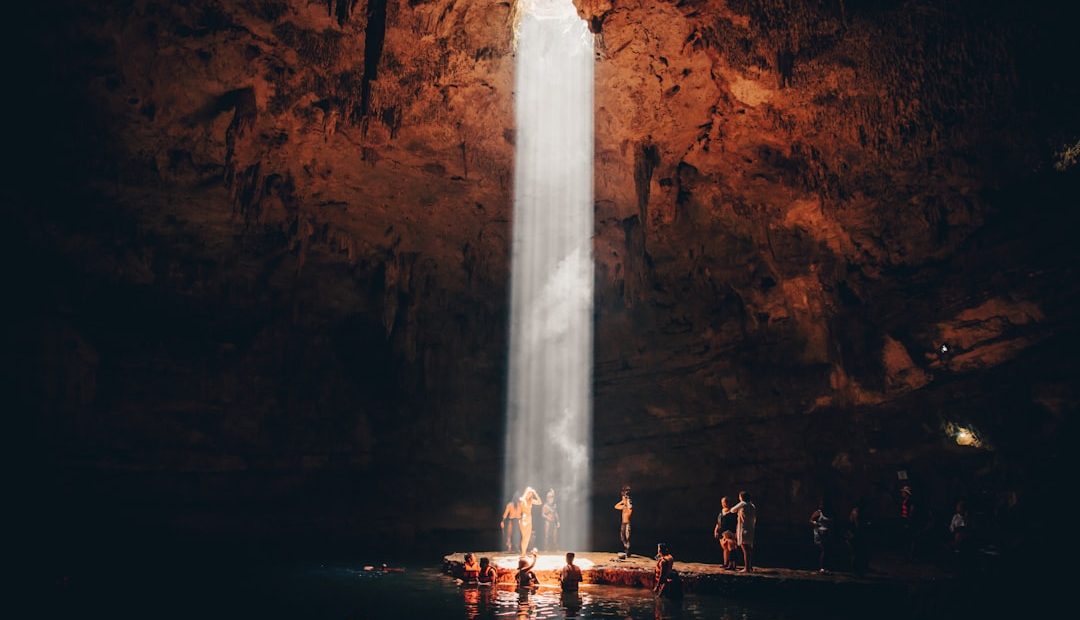
Exploring the Wonders of Our World: A Journey of Discovery

As we go about our daily lives, it’s easy to get caught up in our own little bubbles and forget about the vast, incredible world that surrounds us. From the towering mountain ranges to the deepest ocean trenches, our planet is home to a staggering array of natural wonders, diverse cultures, and awe-inspiring achievements. In this blog post, we’ll embark on a journey to explore the many facets of our world, delving into its history, geography, cultures, and the impact of human activity on the environment. So, buckle up and get ready to discover the wonders of our world!
Introduction to the World’s Geography
The world is a complex and fascinating place, comprising seven continents, five oceans, and a multitude of islands, each with its unique landscape, climate, and ecosystem. The Earth’s surface is approximately 71% water, with the remaining 29% consisting of landmasses. The continents are home to a wide range of geological features, including mountains, valleys, deserts, and forests, which have been shaped over millions of years by tectonic forces, weather patterns, and erosion. Understanding the world’s geography is essential for appreciating the intricate relationships between the environment, climate, and human societies. By studying geography, we can gain insights into the distribution of natural resources, the impact of climate change, and the importance of conservation efforts.
Cultural Diversity and Heritage
One of the most remarkable aspects of our world is its cultural diversity. With over 7,000 languages spoken and more than 4,000 ethnic groups, the world is a vibrant tapestry of traditions, customs, and beliefs. From the ancient civilizations of Egypt, Greece, and Rome to the modern-day cultures of Asia, Africa, and the Americas, each region has its unique history, art, music, and literature. The world’s cultural heritage is a treasure trove of knowledge, creativity, and innovation, with countless contributions to science, technology, and the arts. By embracing and celebrating our cultural diversity, we can foster greater understanding, tolerance, and cooperation among nations and communities. Whether you’re interested in exploring the ruins of Machu Picchu, attending a traditional Indian festival, or sampling the cuisine of Japan, the world’s cultural heritage has something to offer everyone.
The Impact of Human Activity on the Environment
As the world’s population continues to grow, so does our impact on the environment. Human activities such as deforestation, pollution, and climate change are having far-reaching consequences for the health of our planet. The world’s ecosystems are facing unprecedented threats, from the loss of biodiversity to the degradation of natural habitats. It’s essential that we take immediate action to reduce our carbon footprint, invest in renewable energy, and adopt sustainable practices in our daily lives. By making conscious choices about the products we use, the food we eat, and the way we travel, we can contribute to a more environmentally friendly world. Governments, businesses, and individuals must work together to address the environmental challenges we face and ensure a sustainable future for generations to come.
Exploring the World’s Natural Wonders
The world is home to countless natural wonders, each one more breathtaking than the last. From the Grand Canyon to the Great Barrier Reef, the world’s most spectacular landscapes and ecosystems are a testament to the awe-inspiring power of nature. The world’s highest mountain, Mount Everest, stands tall in the Himalayas, while the deepest ocean trench, the Mariana Trench, plunges into the darkness of the Pacific. The world’s most incredible waterfalls, including Victoria Falls and Iguazu Falls, are a reminder of the sheer force and beauty of water. Whether you’re a seasoned traveler or an armchair explorer, the world’s natural wonders are an endless source of inspiration and fascination.
Conclusion and Key Takeaways
As we conclude our journey of discovery, it’s clear that the world is a complex, fascinating, and fragile place. By exploring the world’s geography, cultural diversity, and natural wonders, we can gain a deeper appreciation for the intricate relationships between the environment, human societies, and the planet as a whole. The key takeaways from this journey are:
- The world is a unique and precious place, deserving of our respect and care.
- Cultural diversity is a strength, not a weakness, and should be celebrated and preserved.
- Human activity has a significant impact on the environment, and we must take action to reduce our carbon footprint and adopt sustainable practices.
- The world’s natural wonders are a testament to the awe-inspiring power of nature and should be protected for future generations.
As we move forward in our lives, let’s remember the wonders of our world and strive to make a positive impact on the planet. By working together, we can create a brighter, more sustainable future for all, and ensure that the world remains a vibrant, diverse, and incredible place for generations to come.
You may also like...