

Savor the World: A Fresh Look at Food, Nutrition, and Everyday Cooking Hacks

—
Introduction – Why Food Is More Than Just Fuel
Ever opened your fridge and felt a pang of indecision, wondering whether to grab a quick snack or whip up something nourishing? You’re not alone. Food sits at the crossroads of culture, health, and creativity, shaping our daily mood and long‑term wellbeing. In today’s fast‑paced world, mastering the basics of nutrition, meal planning, and cooking tricks can transform a mundane grocery run into a culinary adventure. This guide dives into practical, SEO‑friendly insights that will help you eat smarter, cook faster, and enjoy every bite along the way.
—
1. Building a Balanced Plate: Nutrition Fundamentals Made Simple
Key takeaway: A well‑balanced plate isn’t a mystery—it’s a visual cue that ensures you get the right mix of macronutrients and micronutrients.
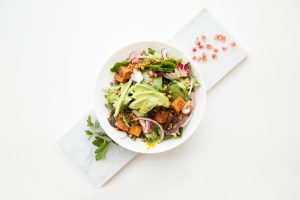
1. Half the Plate: Colorful Vegetables & Fruits
– Aim for a rainbow of colors—think leafy greens, bright bell peppers, juicy berries, and orange carrots. Each hue brings unique antioxidants, vitamins, and fiber that support digestion and immune health.
– Action tip: Pre‑wash and portion veggies into snack bags. When you see them ready, reaching for a carrot stick beats the vending machine.
2. Quarter the Plate: Lean Proteins
– Protein fuels muscle repair and keeps you full longer. Choose from chicken breast, turkey, tofu, legumes, or fish rich in omega‑3 fatty acids (like salmon).
– Action tip: Cook a batch of quinoa or lentils on Sunday; they store well and can be tossed into salads, wraps, or stir‑fries all week.
3. Quarter the Plate: Whole Grains & Healthy Carbs
– Swap refined carbs for whole‑grain alternatives—brown rice, whole‑wheat pasta, farro, or sweet potatoes. These provide steady energy and fiber that stabilizes blood sugar.
– Action tip: Use a kitchen scale to portion ½ cup cooked grains per meal; it helps control calories without sacrificing satisfaction.
4. The Finishing Touch: Healthy Fats & Flavor Boosters
– Drizzle olive oil, sprinkle nuts, or add avocado for heart‑healthy monounsaturated fats. Herbs, spices, lemon zest, and low‑sodium sauces enhance taste without extra sodium or sugar.
– Action tip: Keep a spice rack stocked with turmeric, cumin, smoked paprika, and chili flakes—these are flavor powerhouses that also bring anti‑inflammatory benefits.
SEO Keywords: balanced plate, nutrition fundamentals, lean proteins, whole grains, healthy fats, colorful vegetables, food pyramid, macronutrients, micronutrients.
—
2. Meal Planning Mastery: Save Time, Money, and Stress
Key takeaway: A solid meal plan turns “what’s for dinner?” into a quick, stress‑free decision, while cutting grocery bills by up to 30 %.
a. Start With a Weekly Theme
Pick a simple theme—Mediterranean Monday, Taco Tuesday, or Plant‑Based Friday. Themes give structure, reduce decision fatigue, and make grocery lists predictable.
b. Create a Master Shopping List
1. Inventory First: Scan your pantry, fridge, and freezer. Note what’s already on hand to avoid duplicate purchases.
2. Categorize Items: Group produce, proteins, dairy, pantry staples, and snacks. This speeds up store navigation and reduces impulse buys.
3. Use Apps: Tools like Paprika, Mealime, or Google Keep sync lists across devices, letting family members add items in real time.
c. Batch‑Cook & Portion
- Proteins: Grill a tray of chicken thighs, bake salmon fillets, or simmer a pot of beans. Store in airtight containers for up to four days.
- Grains: Cook a large pot of brown rice or quinoa; freeze portions for later use.
- Veggies: Roast a sheet pan of mixed vegetables with olive oil and herbs; they’re perfect for bowls, wraps, or side dishes.
- Grip: Pinch the blade where it meets the handle for control.
- Rock Chop: Keep the tip of the knife on the board, using a smooth rocking motion for uniform dice.
- Safety: Keep fingertips curled inward (the “claw”) to protect against cuts.
- Technique: Sauté aromatics (onion, garlic, ginger) first, then add liquids and proteins. Cover and simmer or bake until everything is tender.
- Flavor Boost: Finish with a splash of citrus juice or a drizzle of flavored oil for brightness.
- Miso paste (stir into soups or sauces)
- Soy sauce or tamari (use sparingly for a salty boost)
- Mushrooms (sautéed or powdered)
- Parmesan cheese (sprinkle on pasta or roasted veggies)
- Greek Yogurt Base: Mix yogurt, lemon zest, dill, and a pinch of salt for a creamy, low‑fat sauce.
- Pesto in a Jar: Blend basil, pine nuts, garlic, olive oil, and Parmesan; store in the fridge for up to a week.
- Quick Reduction: Simmer broth, wine, or tomato sauce for 5–7 minutes to thicken and concentrate flavor.
- Tip: Swap half the ground beef in a chili recipe with lentils for added fiber and reduced saturated fat.
- Tip: Look for “upcycled” labels in the snack aisle—these products often boast higher fiber and lower carbon footprints.
- Tip: Add a spoonful of kimchi to a stir‑fry or top avocado toast with miso‑marinated tofu for a probiotic boost.
- Tip: Choose MSC‑certified salmon or explore seaweed snacks as a salty, mineral‑rich snack alternative.
- Eliminate Distractions: Put phones away, turn off the TV, and focus on colors, aromas, and textures.
- Chew Thoroughly: Aim for 20–30 chews per bite; this slows the eating process and signals fullness to the brain.
- Portion Awareness: Use smaller plates or the “hand‑size” method—protein the size of your palm, carbs the size of a cupped hand, and veggies filling the rest.
- Gratitude Pause: Before the first bite, pause for a moment of gratitude for the farmers, cooks, and the journey of the food to your table.
d. Embrace “Leftover Remix”
Transform leftovers into new meals—turn roasted veggies into a frittata, blend cooked beans into a hearty soup, or shred chicken for a quick salad. This maximizes food value and reduces waste.
SEO Keywords: meal planning, weekly meal plan, grocery list, batch cooking, food waste reduction, budget-friendly meals, cooking hacks, meal prep ideas.
—
3. Quick‑Turn Cooking Hacks: From Kitchen Novice to Confident Chef
Key takeaway: Simple techniques—like proper knife skills, one‑pot meals, and flavor layering—elevate everyday dishes without demanding a culinary degree.
a. Master the Basics of Knife Work
Result: Faster prep time and consistent piece sizes, which means even cooking.
b. One‑Pot Wonders
One‑pot meals (e.g., skillet chicken & rice, sheet‑pan salmon with asparagus) minimize cleanup and lock in flavor.
c. The Power of “Umami”
Umami—the savory fifth taste—adds depth without extra salt. Incorporate ingredients like:
d. Speedy Sauce Tricks
SEO Keywords: cooking hacks, one-pot meals, knife skills, quick sauces, umami, kitchen shortcuts, easy dinner ideas, flavor layering.
—
4. Food Trends to Watch in 2024: Staying Ahead of the Plate
Key takeaway: Keeping an eye on emerging food trends helps you experiment with fresh ingredients, meet dietary needs, and stay inspired.
a. Plant‑Forward Flexibility
While vegan diets are not new, 2024 sees a surge in “flexitarian” approaches—incorporating more plant proteins (lentils, chickpeas, pea protein) while still enjoying occasional meat.
b. Upcycled Ingredients
Food waste reduction drives innovation. Brands are turning by‑products (e.g., carrot tops, oat husks) into nutritious snacks and flours.
c. Functional Ferments
Beyond kombucha, fermented foods like kimchi, tempeh, and miso are prized for gut health.
d. Sustainable Seafood
Consumers are gravitating toward responsibly sourced fish and seaweed alternatives.
SEO Keywords: food trends 2024, plant-forward diet, upcycled foods, functional ferments, sustainable seafood, flexitarian meals, gut health foods, eco‑friendly eating.
—
5. Mindful Eating: Turning Meals Into Moments
Key takeaway: Eating isn’t just about nutrients; it’s also about savoring the experience, which supports digestion and reduces overeating.
SEO Keywords: mindful eating, portion control, healthy eating habits, food gratitude, digestion tips, mindful meals, eating without distractions.
—
Conclusion – Your Roadmap to Food Confidence
Food is a powerful ally—fuel for the body, inspiration for the mind, and a bridge to culture. By mastering the balanced plate, embracing smart meal planning, applying quick cooking hacks, staying curious about food trends, and practicing mindful eating, you’ll transform everyday meals into nourishing, enjoyable experiences.
Key Takeaways:
1. Visualize a balanced plate to hit macro‑ and micronutrient goals effortlessly.
2. Plan weekly menus to save time, money, and reduce waste.
3. Use simple cooking tricks—one‑pot meals, knife fundamentals, and umami boosters—to elevate flavor without extra effort.
4. Explore 2024 food trends like plant‑forward flex diets and upcycled ingredients for variety and sustainability.
5. Eat mindfully to enhance digestion, satisfaction, and overall wellbeing.
Start today: pick one tip from each section, implement it into your next grocery run, and watch how your relationship with food transforms—one delicious, nutritious bite at a time. Happy cooking!