


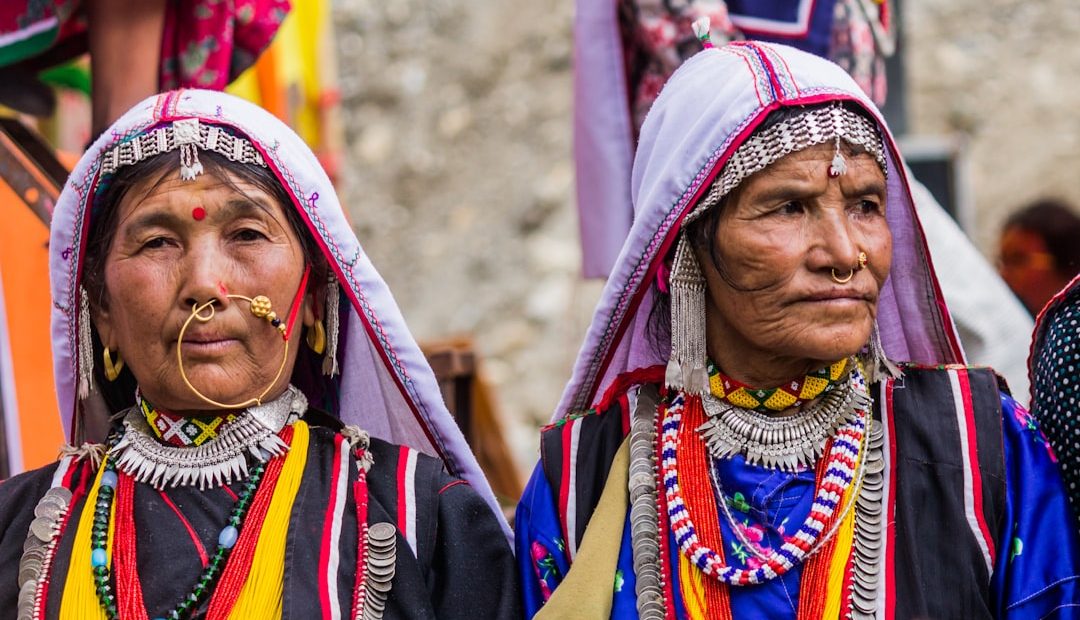
Unpacking the Power of Culture: A Deep Dive into its Impact on Society and Individuals

As humans, we’re often fascinated by the intricacies of culture and its profound impact on our daily lives. From the food we eat to the music we listen to, culture is the invisible thread that weaves our experiences together. But have you ever stopped to think about what culture really means, and how it shapes our identities, behaviors, and interactions? In this blog post, we’ll embark on a journey to explore the complexities of culture, its various forms, and its significant influence on both individuals and society as a whole. So, let’s dive in and uncover the fascinating world of culture!
What is Culture, Anyway?
Culture is often defined as the shared values, customs, and practices that characterize a particular group of people. It’s the collective expression of a community’s history, traditions, and beliefs. But culture is more than just a static concept; it’s a dynamic and evolving entity that adapts to changing social, economic, and environmental conditions. Think of culture as a rich tapestry, woven from diverse threads of language, art, music, and social norms. As we navigate the complexities of culture, it’s essential to recognize that it’s not just a product of human interaction but also a driving force that shapes our perceptions, attitudes, and behaviors.
The Different Forms of Culture
Culture comes in many shapes and sizes, and it’s essential to understand its various forms to appreciate its diversity and complexity. Here are a few examples:
- National Culture: This refers to the shared values, customs, and practices that define a nation or country. National culture is often influenced by factors like history, geography, and politics.
- Subculture: A subculture is a smaller group within a larger culture that shares distinct values, interests, or practices. Subcultures can be based on factors like age, ethnicity, or lifestyle.
- Pop Culture: Popular culture, or pop culture, refers to the cultural trends, values, and practices that are popular among a wide audience. Pop culture is often driven by media, technology, and consumerism.
- Organizational Culture: This refers to the shared values, norms, and practices that characterize a particular organization or workplace. Organizational culture can have a significant impact on employee engagement, productivity, and job satisfaction.
- Identity Formation: Culture plays a significant role in shaping our identities, influencing how we perceive ourselves and our place in the world.
- Social Norms: Culture helps establish social norms, which dictate what is acceptable and unacceptable behavior in a given community.
- Communication: Culture influences our communication styles, including language, nonverbal cues, and conflict resolution strategies.
- Economic Development: Culture can also impact economic development, as cultural factors like education, innovation, and entrepreneurship can drive economic growth.
- Cultural Awareness: Developing an understanding of different cultural practices, values, and norms.
- Empathy: Being able to see things from another person’s perspective and appreciate their cultural experiences.
- Communication: Adapting our communication styles to accommodate cultural differences and avoid misunderstandings.
- Adaptability: Being open to new cultural experiences and willing to learn from others.
- Culture is a dynamic, evolving entity that adapts to changing social, economic, and environmental conditions.
- There are various forms of culture, including national culture, subculture, pop culture, and organizational culture.
- Culture has a significant impact on identity formation, social norms, communication, and economic development.
- Cultural competence is essential in today’s globalized world, involving cultural awareness, empathy, communication, and adaptability.
The Impact of Culture on Individuals and Society
Culture has a profound impact on both individuals and society, shaping our experiences, interactions, and worldviews. Here are a few ways in which culture influences us:
The Importance of Cultural Competence
In today’s globalized world, cultural competence is more crucial than ever. As we interact with people from diverse cultural backgrounds, it’s essential to develop the skills, knowledge, and attitudes necessary to navigate cultural differences effectively. Cultural competence involves:
Conclusion and Key Takeaways
In conclusion, culture is a complex, multifaceted concept that plays a profound role in shaping our lives and interactions. By understanding the different forms of culture and its impact on individuals and society, we can develop a deeper appreciation for the diversity and richness of human experience. Here are the key takeaways from this blog post:
As we continue to navigate the complexities of culture, let’s remember that it’s a shared human experience that connects us all. By embracing cultural diversity and promoting cross-cultural understanding, we can build stronger, more inclusive communities that celebrate the richness of human culture.
You may also like...

