


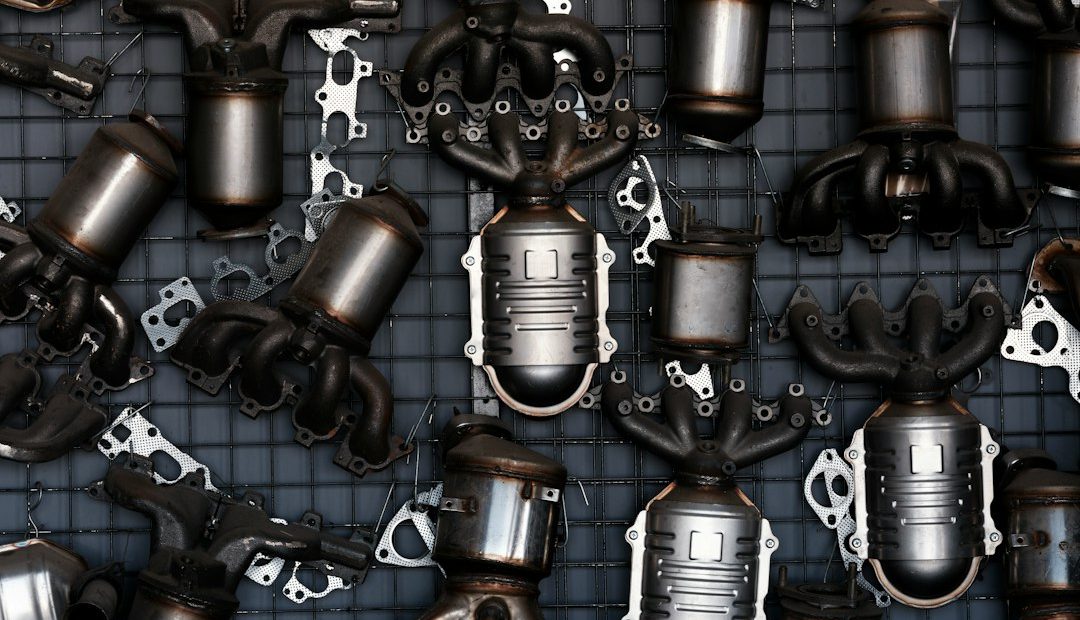
Drive Into the Future: A Complete Guide to Understanding, Choosing, and Caring for Your Automobile

—
Rev Up Your Curiosity – Why the Automobile Still Matters
Imagine the first time you saw a sleek, humming car glide down the street. The roar of the engine, the gleam of polished metal, the promise of freedom – it’s a feeling that still captures imaginations today. The automobile isn’t just a machine; it’s a cultural icon, a catalyst for economic growth, and increasingly, a platform for cutting‑edge technology. Whether you’re a first‑time buyer, a seasoned driver, or a tech enthusiast, mastering the basics of the automobile industry can save you money, boost safety, and keep you ahead of the curve. Buckle up – this 1,000‑word guide will steer you through the evolution of cars, help you pick the perfect ride, share actionable maintenance tips, and explore the electrifying future of mobility.
—
1. The Evolution of the Automobile: From Horse‑Drawn Carriages to Smart Machines
#### A Brief History in Four Gears
| Era | Milestone | Why It Matters Today |
|—–|———–|———————-|
| Late 1800s – Early 1900s | Karl Benz builds the first gasoline‑powered car (1886). | Sets the foundation for the modern automobile industry. |
| 1910s‑1930s | Mass production (Ford Model T) makes cars affordable. | Introduces concepts of vehicle affordability and standardized parts. |
| 1970s‑1990s | Fuel crises spark interest in fuel efficiency; safety regulations rise. | Birth of fuel‑efficient engines, airbags, and emission standards. |
| 2000s‑Present | Hybrid & electric vehicles (EVs), autonomous driving tech, connectivity. | Drives today’s focus on electric vehicles, vehicle safety, and auto technology. |
Key Takeaway: Understanding where cars came from helps you appreciate why today’s vehicles are safer, greener, and more connected than ever.
Actionable Insight: When evaluating a used car, check its production era for safety features. Vehicles built after 1998 typically include dual‑stage airbags and anti‑lock brakes (ABS)—essential for modern safety standards.
—
2. Choosing the Right Car for Your Lifestyle: A Practical Decision‑Making Checklist
2.1 Identify Your Core Priorities
| Priority | Best Vehicle Type | Typical Features |
|———-|——————-|——————|
| Fuel Savings | Compact sedan, hybrid | High MPG (≥ 35), regenerative braking |
| Family Space | SUV, minivan | 3‑row seating, ample cargo volume |
| Adventure & Towing | Pickup, midsize SUV | 4WD/AWD, high payload/towing capacity |
| Tech & Luxury | Premium sedan, electric SUV | Advanced driver‑assist systems (ADAS), infotainment suites |
| Eco‑Conscious | Full‑electric (EV) | Zero tailpipe emissions, fast‑charging capability |
2.2 Run the Numbers – Total Cost of Ownership (TCO)
1. Purchase Price – Sticker vs. negotiated price.
2. Financing – APR, loan term, down payment.
3. Insurance – Premiums vary by vehicle class and safety rating.
4. Fuel/Energy – Estimate annual cost using EPA MPG or kWh/100 mi for EVs.
5. Maintenance & Repairs – Research reliability scores (J.D. Power, Consumer Reports).
6. Depreciation – Luxury cars often lose 20‑30% in the first three years.
Actionable Tip: Use an online TCO calculator (e.g., Edmunds, Kelley Blue Book) to compare a gasoline sedan, a hybrid, and an EV side‑by‑side. The numbers often reveal surprising savings with electric models, especially when factoring in tax credits and lower maintenance.
2.3 Test Drive with a Purpose
- Comfort Check: Adjust seat, steering wheel, and mirrors; drive on highway and city streets.
- Tech Test: Pair your smartphone, explore voice commands, and evaluate the clarity of the infotainment system.
- Safety Scan: Verify the presence of blind‑spot monitoring, lane‑keep assist, and automatic emergency braking.
- Windshield Wiper Replacement: Lift the wiper arm, press the release tab, slide off old blade, snap new one in place.
- Headlight Restoration: Use a mild abrasive (e.g., toothpaste) on a soft cloth to clear hazy lenses, then polish with a UV sealant.
- Battery Terminal Cleaning: Mix baking soda with water, scrub terminals with a wire brush, rinse, and apply a thin coat of dielectric grease.
- Check Engine Light stays on after a reset.
- Strange noises (clunking, squealing) during acceleration or braking.
- Fluid leaks under the vehicle.
- Zero Emissions: Reduces greenhouse gases and improves air quality.
- Lower Operating Costs: Electricity is cheaper per mile than gasoline; fewer moving parts mean less wear.
- Incentives: Federal tax credit up to $7,500 (subject to phase‑out), plus state rebates and HOV lane access.
- Performance Edge: Instant torque delivers rapid acceleration (e.g., Tesla Model 3’s 0‑60 mph in 3.1 s).
- Avoid Deep Discharges: Keep state‑of‑charge (SoC) between 20‑80% for daily driving.
- Temperature Management: Park in shade during hot weather; use pre‑conditioning while plugged in.
- Charge Slowly When Possible: Level 2 charging is gentler on the battery than frequent DC fast charging.
- Level 2‑3 Systems (e.g., Tesla Autopilot, GM Super Cruise) already assist with steering, speed, and lane changes.
- Level 4‑5 (full self‑driving) is being piloted in limited cities; expect broader rollout by the early 2030s.
- Telematics provides real‑time diagnostics, theft recovery, and usage‑based insurance.
- V2X communication will enable cars to talk to traffic lights, other vehicles, and even pedestrians, reducing accidents and optimizing traffic flow.
- Recycled Aluminum & Bio‑Based Plastics reduce manufacturing carbon footprints.
- Battery Recycling Programs aim to reclaim lithium, cobalt, and nickel for new EV batteries.
- Brands like Volvo and BMW offer car‑subscription models that bundle insurance, maintenance, and roadside assistance for a flat monthly fee.
- Ride‑hailing fleets are transitioning to electric, creating new opportunities for shared mobility.
Bottom Line: A systematic approach—priorities → TCO → test drive—turns car shopping from a gamble into a strategic decision.
—
3. Essential Car Maintenance Tips: Keep Your Ride Running Smoothly
3.1 The “5‑Point Routine” Every Driver Should Follow
| Frequency | Task | Why It Matters |
|———–|——|—————-|
| Weekly | Check tire pressure & tread depth | Improves fuel efficiency, extends tire life. |
| Monthly | Inspect fluid levels (oil, coolant, brake, windshield wiper) | Prevents overheating, brake failure, and vision loss. |
| Every 3,000‑5,000 mi | Change engine oil & filter (or follow manufacturer’s synthetic schedule) | Reduces engine wear, maintains performance. |
| Every 12,000‑15,000 mi | Rotate tires & inspect brakes | Promotes even tire wear, catches brake wear early. |
| Annually | Replace cabin air filter & schedule a professional inspection | Improves air quality inside the car and catches hidden issues. |
3.2 DIY Quick Fixes
3.3 When to Call the Professionals
Pro Tip: Keep a digital log (Google Sheets, an app like “myCAR”) of all services, mileage, and receipts. This not only helps you stay on schedule but also boosts resale value—buyers love a well‑documented maintenance history.
—
4. The Rise of Electric Vehicles: What Every Driver Should Know
4.1 Why EVs Are Gaining Traction
4.2 Practical Considerations
| Factor | Conventional Car | Electric Vehicle |
|——–|——————|——————|
| Range | 300‑400 mi per tank | 150‑350 mi per charge (average) |
| Refueling Time | 5‑10 min at gas station | 30 min–12 hr (home charger) |
| Charging Infrastructure | Ubiquitous gas stations | Growing network of Level 2 & DC fast chargers |
| Maintenance | Oil changes, filter replacements | No oil, fewer brake jobs (regenerative braking) |
Actionable Advice: If you have a predictable daily commute under 40 mi, a plug‑in hybrid (PHEV) or a modest‑range EV can cover most trips without range anxiety. Install a Level 2 home charger (240 V) for overnight charging—costs $500‑$800 plus installation.
4.3 Battery Health Tips
—
5. Future Trends in Automotive Technology: What’s on the Horizon?
5.1 Autonomous Driving & ADAS
What to Watch: Look for vehicles equipped with over‑the‑air (OTA) updates, which keep software—and safety—current without a dealership visit.
5.2 Connected Cars & V2X (Vehicle‑to‑Everything)
5.3 Sustainable Materials & Circular Economy
5.4 Subscription Services & Mobility‑as‑a‑Service (MaaS)
Actionable Insight: If you’re a tech‑savvy buyer, prioritize models that support OTA updates and have robust connected‑car platforms (e.g., Android Automotive, Apple CarPlay). This ensures your vehicle stays future‑proof as new features roll out.
—
Conclusion – Key Takeaways to Accelerate Your Automotive Journey
1. Know the History: The automobile’s evolution informs today’s safety, efficiency, and tech standards.
2. Match Car to Lifestyle: Use a clear priority list, TCO analysis, and purposeful test drives to select the right vehicle.
3. Stay on Top of Maintenance: Follow the 5‑point routine, log services, and address issues early to extend your car’s lifespan and resale value.
4. Embrace Electrification: EVs offer lower operating costs, environmental benefits, and incentives—especially for commuters with predictable ranges.
5. Watch the Future: Autonomous features, connected services, sustainable materials, and subscription models will reshape how we drive and own cars.
By applying these insights, you’ll navigate the automobile industry with confidence—whether you’re buying a new ride, maintaining a beloved classic, or simply staying informed about the next wave of automotive innovation. Happy driving, and may the road ahead be smooth, safe, and sustainably charged!