


Title: The Ultimate Guide to Food: From Everyday Meals to Culinary Adventures

—
Introduction – Why Food Deserves Your Full Attention
Imagine biting into a perfectly crisp apple, the sweet‑tart flavor exploding on your tongue, or savoring a steaming bowl of ramen that instantly transports you to a bustling Tokyo alley. Food isn’t just fuel; it’s culture, comfort, creativity, and—if you look closely—one of the most powerful tools for health and happiness. In today’s fast‑paced world, mastering the basics of nutrition, exploring emerging food trends, and learning practical kitchen hacks can transform the way you eat, feel, and live. Ready to upgrade your plate? Let’s dive into a comprehensive, SEO‑friendly guide that blends science, flavor, and fun.
—
1. Building a Balanced Plate: Nutrition Fundamentals You Can Use Today
Why balanced nutrition matters
A well‑balanced plate is the cornerstone of long‑term health. It supplies the macronutrients—carbohydrates, proteins, and fats—plus essential micronutrients like vitamins and minerals. When you understand the “plate method,” you can make smarter choices without counting endless calories.
The modern “MyPlate” model
| Food Group | Recommended Portion (for a 2,000‑cal diet) | Quick Swap Ideas |
|————|——————————————–|——————|
| Vegetables | 2‑3 cups | Replace lettuce with kale, add roasted carrots |
| Fruits | 1½‑2 cups | Swap juice for whole berries |
| Grains | 6‑8 oz (half whole grain) | Use quinoa instead of white rice |
| Protein | 5‑6.5 oz | Try lentils, tempeh, or fish |
| Dairy/Alternatives | 3 cups | Choose Greek yogurt or fortified almond milk |
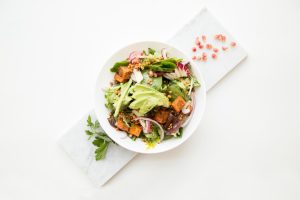
Actionable tip: At each meal, fill half your plate with colorful vegetables, a quarter with lean protein, and the remaining quarter with whole‑grain carbs. Add a small side of dairy or a fortified plant‑based alternative for calcium and vitamin D.
Boosting nutrient density
- Add a “power herb”: Sprinkle fresh basil, cilantro, or parsley to increase antioxidants.
- Incorporate “healthy fats”: A drizzle of extra‑virgin olive oil or a handful of walnuts improves absorption of fat‑soluble vitamins (A, D, E, K).
- Mind the fiber: Aim for at least 25 g of fiber daily—think beans, oats, and whole fruits with skins.
- Shop the perimeter: Fresh produce, meat, and dairy are usually cheaper and less processed than items in the middle aisles.
- Buy in season: Seasonal fruits and vegetables are at peak flavor and lower cost.
- Utilize frozen: Frozen berries, peas, and spinach retain nutrients and cost less than fresh off‑peak.
- Chickpea‑Spinach Curry – Sauté onion, garlic, and ginger; add cumin, coriander, and turmeric. Stir in canned chickpeas, diced tomatoes, and a handful of fresh spinach. Simmer 15 min, serve over brown rice.
- Mushroom‑Chocolate Energy Bites – Blend dates, raw cacao, reishi mushroom powder, and almond butter; roll into balls and refrigerate.
- Collect carrot tops, onion skins, and celery ends in a freezer bag. When you have a cup, simmer with water, herbs, and a splash of apple cider vinegar for a nutrient‑rich broth.
—
2. Meal Planning Made Simple: Save Time, Money, and Stress
The 5‑Step Meal‑Prep Blueprint
1. Set a weekly theme – Mediterranean Monday, Taco Tuesday, Stir‑Fry Wednesday, etc. Themes keep menus exciting while limiting decision fatigue.
2. Create a master grocery list – Group items by produce, protein, pantry, and dairy. Use a digital app (e.g., AnyList or Google Keep) to sync with family members.
3. Batch‑cook staple proteins – Grill chicken breasts, bake tofu cubes, or poach eggs in bulk; store in airtight containers for up to 4 days.
4. Prep “grab‑and‑go” veggies – Wash, chop, and portion carrots, bell peppers, and snap peas into snack bags.
5. Assemble meals in advance – Layer salads in mason jars, portion quinoa bowls into microwavable containers, or pre‑portion smoothie packs for the freezer.
Budget‑friendly hacks
Actionable tip: Dedicate Sunday afternoon to a 90‑minute “prep session.” By the end, you’ll have at least three ready‑to‑heat meals, two snack packs, and a clear shopping list for the week—eliminating the dreaded “what’s for dinner?” scramble.
—
3. Trending Food Movements: What’s Hot (and Healthy) in 2024
a. Plant‑Forward Eating
More people are shifting from “meat‑centric” to “plant‑forward” meals, emphasizing vegetables, legumes, and whole grains while still enjoying animal proteins in moderation. Benefits include reduced inflammation, lower cholesterol, and a smaller environmental footprint.
Quick plant‑forward recipe:
b. Sustainable Seafood
With ocean overfishing a growing concern, consumers are turning to certified sustainable seafood (MSC, ASC). Look for labels like “pole‑and‑line caught” or “farm‑raised responsibly.”
Actionable tip: Replace a weekly fish portion with a plant‑based omega‑3 source—such as walnuts, chia seeds, or algae oil supplements.
c. Functional Foods
Foods fortified with probiotics, adaptogens, and nootropics are gaining traction for their potential mental‑boosting and gut‑health benefits. Examples include kefir, kombucha, and mushroom‑infused coffee.
Simple functional snack:
d. Zero‑Waste Cooking
From “root‑to‑stem” vegetable usage to homemade broth from scraps, zero‑waste cooking reduces landfill contributions and stretches your grocery budget.
Zero‑waste starter:
—
4. Flavor Boosters: Elevate Everyday Dishes Without Extra Calories
1. Homemade Spice Blends – Mix cumin, smoked paprika, garlic powder, and a pinch of cayenne for a versatile “all‑purpose” rub. Store in a small jar and sprinkle on chicken, tofu, or roasted veggies.
2. Acidic Finish – A squeeze of lemon, lime, or a splash of balsamic vinegar brightens flavors instantly. Add at the end of cooking to preserve freshness.
3. Umami Enhancers – Nutritional yeast, miso paste, or a dash of soy sauce can deepen savory notes without adding saturated fat.
4. Fresh Herbs at the Table – Keep a small pot of basil, mint, or cilantro on the windowsill. A few leaves tossed into salads or soups just before serving provide a burst of aroma and antioxidants.
Actionable tip: Choose one new flavor technique each week—whether it’s a new spice blend or a finishing acid—and experiment in at least two meals. You’ll quickly expand your palate while keeping meals exciting.
—
5. Cooking for Health: Simple Techniques That Preserve Nutrients
| Technique | Why It’s Healthy | Best Foods to Use |
|———–|——————|——————-|
| Steaming | Retains water‑soluble vitamins (C, B) | Broccoli, asparagus, fish |
| Sautéing in olive oil (medium heat) | Adds healthy monounsaturated fats, improves vitamin absorption | Leafy greens, mushrooms |
| Roasting at 375°F | Caramelizes natural sugars, enhances flavor without extra salt | Sweet potatoes, carrots, cauliflower |
| Slow‑cooking (Crockpot) | Breaks down tough fibers, makes collagen‑rich cuts tender | Beef shank, beans, root veg |
| Raw preparations (salads, smoothies) | Maximizes enzymes and phytonutrients | Berries, kale, nuts |
Actionable tip: Rotate cooking methods throughout the week. For instance, steam broccoli on Monday, roast carrots on Wednesday, and blend a raw beet‑apple smoothie on Friday. This variety ensures you capture a broader spectrum of nutrients.
—
Conclusion – Key Takeaways for a Better Relationship with Food
1. Balanced plates are your daily foundation—fill half the plate with colorful vegetables, a quarter with lean protein, and the rest with whole grains.
2. Meal planning saves time, money, and mental energy; a simple Sunday prep session can set you up for a week of nutritious, stress‑free meals.
3. Stay current with food trends like plant‑forward eating, sustainable seafood, functional foods, and zero‑waste cooking to align your diet with health and environmental goals.
4. Boost flavor using homemade spice blends, acids, umami enhancers, and fresh herbs—delicious food doesn’t have to be bland or overly processed.
5. Choose cooking techniques that preserve nutrients, and vary them to enjoy a full range of vitamins, minerals, and textures.
Food is an ever‑evolving adventure. By applying these actionable strategies, you’ll not only nourish your body but also ignite curiosity in the kitchen, reduce waste, and perhaps even discover a new favorite dish. So grab a cutting board, fire up the stove, and let every bite be a step toward a healthier, happier you. Bon appétit!
You may also like...